SMU Meadows Professor Honored for Community Engagement and Social Justice
CCPA professor Dr. Owen Lynch wins Everett Hughes Holle Award from the National Communication Association for his work with nonprofit urban farming network Restorative Farms.

For Dr. Owen Lynch, meaningful community engagement begins with listening. As an Altshuler Distinguished Teaching Professor in the Division of Corporate Communication and Public Affairs (CCPA), Lynch has spent years putting that philosophy into practice through Restorative Farms, a South Dallas initiative working to improve access to fresh food, provide job training and create economic opportunities through urban agriculture.
Now, that commitment has earned him the Everett Hughes Holle Award for Social Justice and Community Engagement from the National Communication Association (NCA), which recognizes communication scholars and professionals whose work advances social justice through community service and applied scholarship.
Restorative Farms grew out of Lynch's qualitative communication research with South Dallas high school students, who used photography to document their perspectives on what makes a healthy community. Their insights, along with concerns from residents about limited access to fresh food and employment opportunities, inspired Lynch to help develop a sustainable solution.
“The project began as a participant action research initiative, grounded in a charge the community developed,” Lynch explains. “For me, that is the essence of meaningful engagement: the community is not simply the subject of research, but an active partner in defining the problem and shaping the solution.”
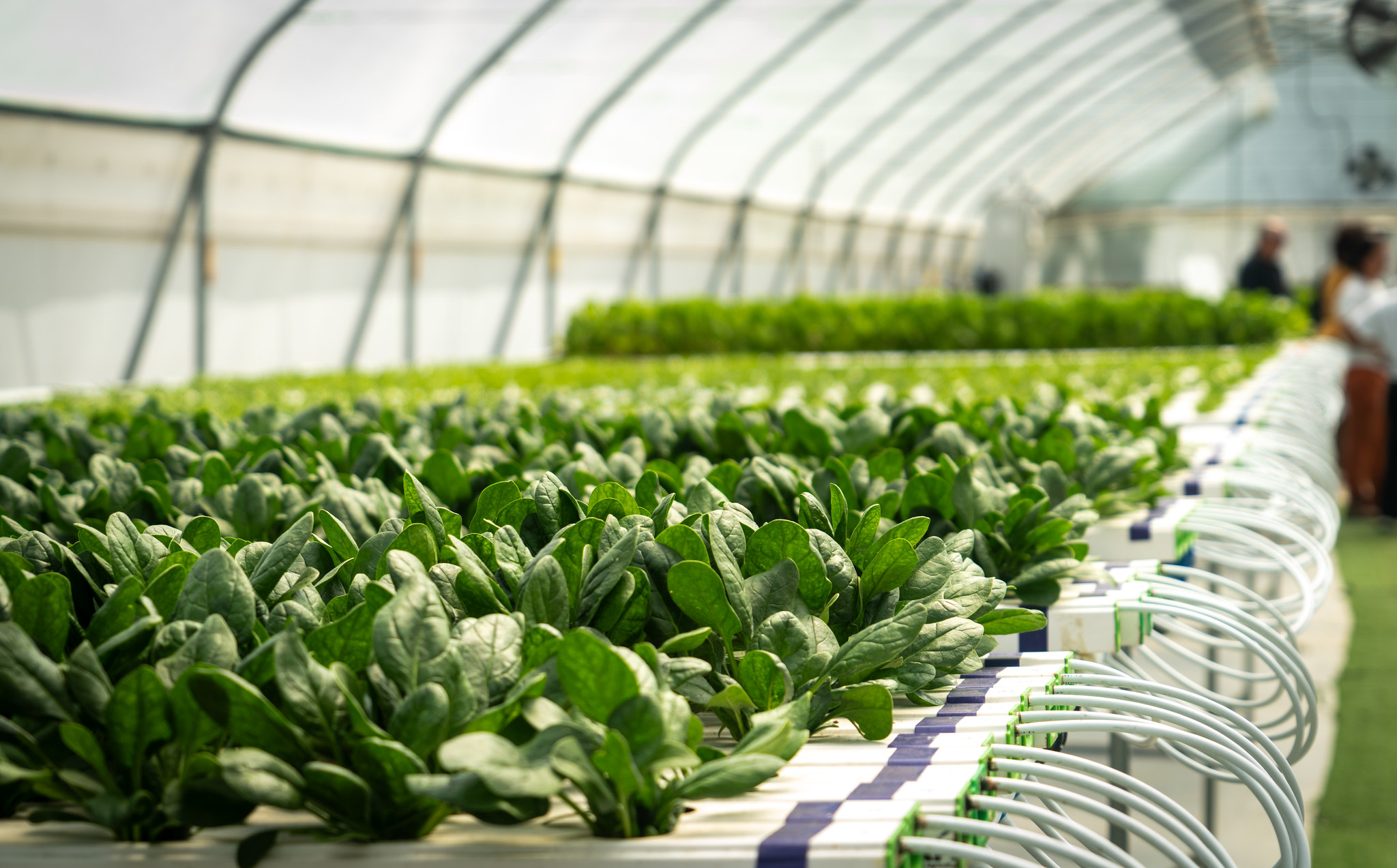
Lynch joined forces with fellow SMU faculty member Dr. Doric Earle, entrepreneur Brad Boa, and Tyrone Day, a South Dallas native who spent 26 years wrongfully imprisoned and was determined to use the horticultural skills he developed during that time to uplift his community. Together, they established Restorative Farms, creating an urban agriculture model designed to address food insecurity and economic opportunity.
Today, that commitment has produced measurable results. According to the award nomination submitted by Dr. Rita Kirk, Altshuler Distinguished Teaching Professor in the Division of CCPA, Restorative Farms has grown and distributed more than 250,000 seedlings, provided more than 44,500 hours of vocational training between 2020 and 2025, and distributed more than 810,000 servings of fresh food. The organization has also directed more than $1 million in workforce payroll into South Dallas communities. Through initiatives such as its Future Urban Farmers program, Restorative Farms provides training and employment opportunities for community members facing barriers to entering the workforce, including formerly incarcerated individuals.
Although urban agriculture might seem far removed from the traditional study of communication, Lynch sees a direct connection between his academic background and the work he does with Restorative Farms.
“Communication has helped me connect people, ideas, and systems—and translate a community's vision into collective action and measurable impacts,” he explains. “I believe universities should be anchors in their communities, and that community engagement and action-oriented research are among their most important contributions.”
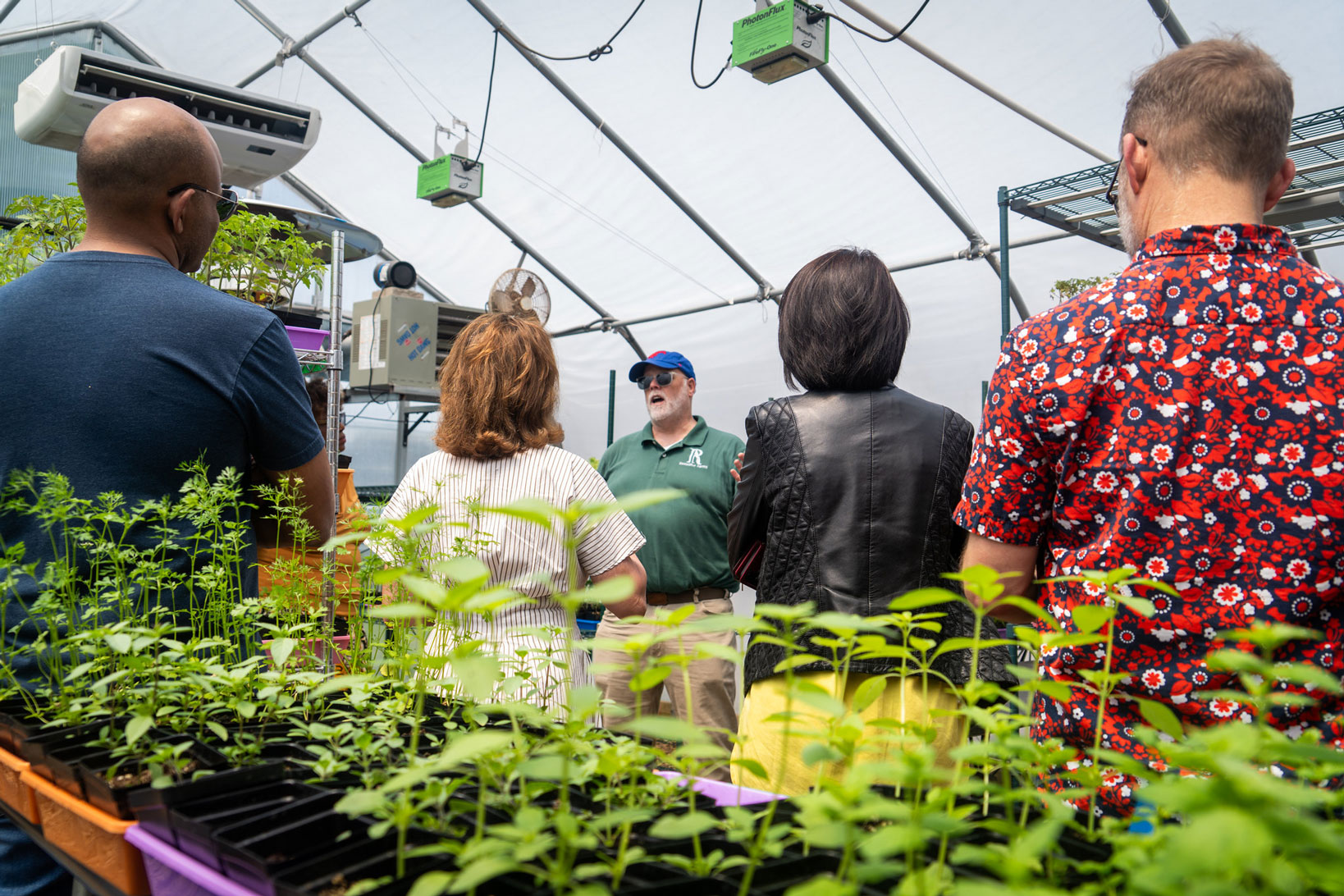
Kirk emphasized this connection in her letter to the NCA selection committee. She highlighted how Lynch’s work integrates participatory action research, restorative justice, and community-based collaboration to develop sustainable solutions, demonstrating how academic scholarship can address real-world challenges.
While the national award marks an important milestone, Lynch remains focused on the long-term potential of Restorative Farms and the people whose commitment has made its progress possible.
“We are far from fulfilling the mission, but I am most proud when we have a bumper harvest, when we feed people healthy food harvested that very morning, and when I see the pride in our team's faces in what they have accomplished,” Lynch says.
Ultimately, his greatest hope is that Restorative Farms will continue to grow and thrive under the leadership of the community it was created to serve, long after his own involvement. For Lynch, that lasting impact would be the most meaningful recognition of all.