Exceptional SMU faculty inspire students to achieve
SMU students learn from leading faculty who turn expertise into opportunity.

By: Sarah Bennett ’11
Get to know some of the professors helping Mustangs do their best work.
Venky Shankar
Harold M. Brierley Endowed Professor of Marketing
Chair of Marketing Department
Academic Director of The Brierley Institute for Customer Engagement
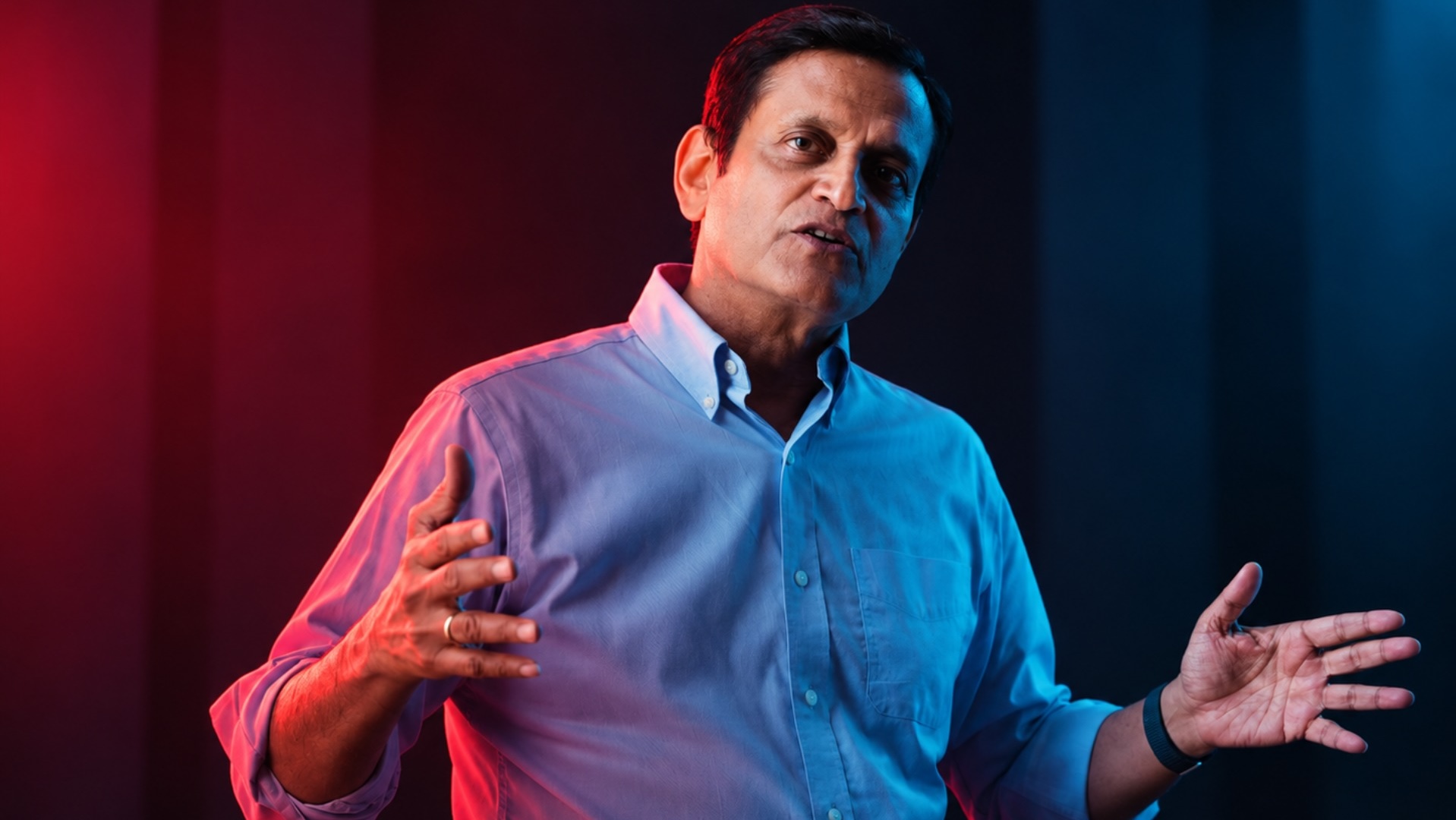
If you ask Venky Shankar, he’ll tell you he’s an “accidental academic.” But what does that mean exactly? With an undergraduate degree in engineering, he decided to pursue his MBA – which led him to a corporate career in finance. But as he climbed the corporate ladder, he found himself doing more of a marketing role than a finance one and having more questions. “I wanted to test new things, and I had a lot of curiosity,” he says. So, he enrolled in a doctorate program, and the rest is history.
Today, the chair of the Cox School of Business’ Marketing Department can see parallels between his students and the customers they research. “I always try to understand the student as a customer and want to see their perspective,” he explains. “What are their needs, what are their wants, and what are their preferences?”
He teaches them the principles of retail marketing, like in-store and digital experiences, consumer habits and psychology, customer journeys and so much more. But he’s also invested in the type of people they become.
“Every time I see an undergraduate student, I’m thinking, ‘This is a person who could be a potential leader somewhere,’” he says. “Of course, they have to be smart and well trained, but you also get into the principles and ethics to make them strong leaders.”
Carol Leone
Professor of Piano
Chair of Piano Studies
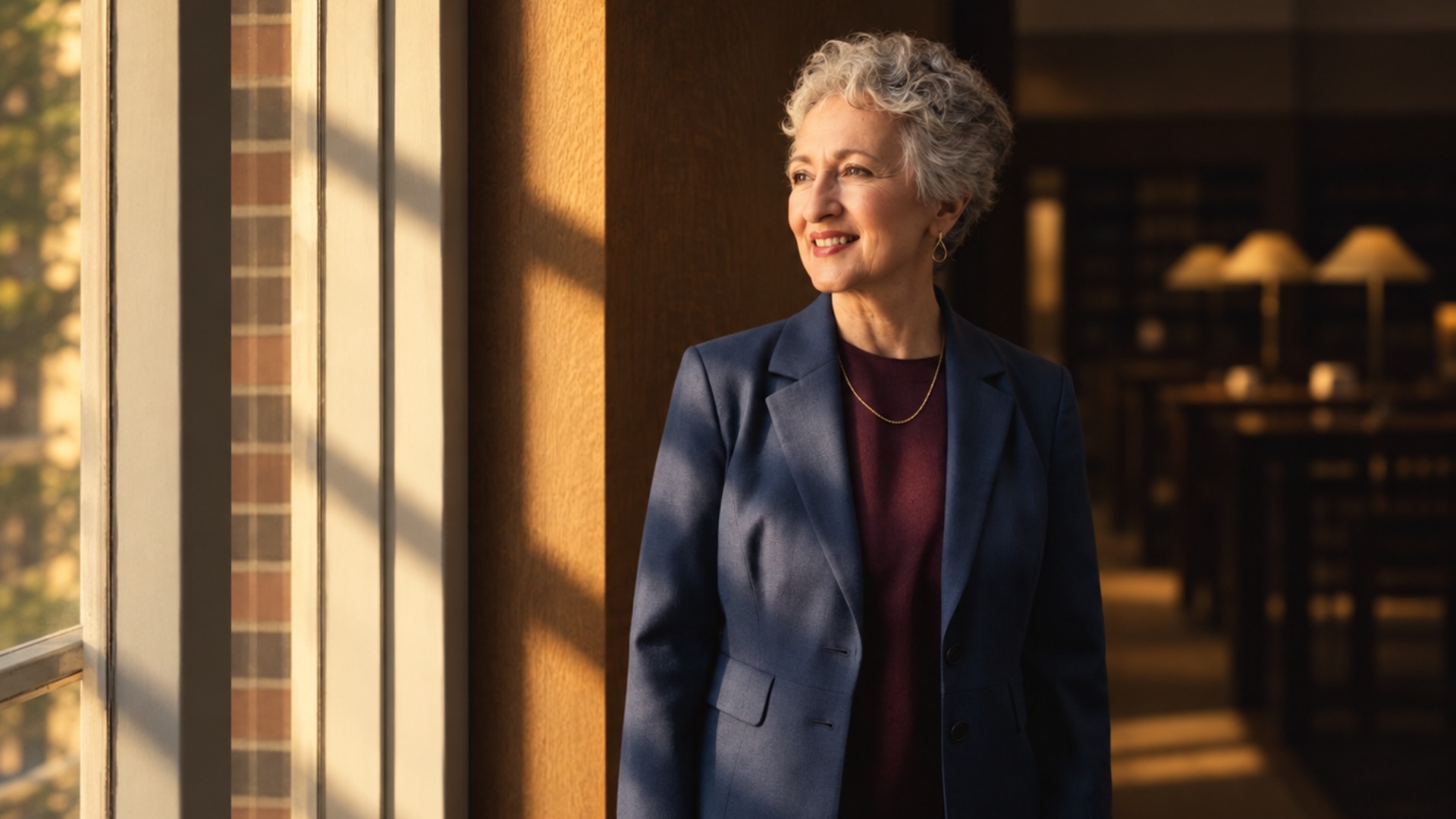
Here’s a fun fact: The typical size of a piano was standardized in the late 19th century and was shaped after the average man’s hand size. That creates a physical disadvantage for pianists with a smaller hand span, particularly women. Enter: Carol Leone. The chair of Piano Studies in Meadows began working on an alternative 25 years ago, here at SMU. “We were the first university in the world to incorporate modern pianos with narrower keys, but it makes a world of difference physically to the person with a small hand span,” she says. “You have more power, more facility, more control – plus, you’re helping to prevent injury, so you’re expanding the repertoire for these students.”
Leone says this modernized option has spread across the globe – particularly in Europe – with SMU seen as the leader in implementation. “I feel very proud of this, so that everyone has a chance to be their very best,” she explains.
This is a tradition, and this is the way we learn to play an instrument – through a one-on-one relationship.
Carol Leone
Ensuring equal opportunity for the physical experience of playing the piano is just one of the ways she sets her students up for success. In addition to the more technical, physical elements, Leone also instructs in the intellectual and emotional: “It’s a privilege for the performer to take music and use it as a language for humanity, for us to feel emotion together.”
Beth Wheaton-Páramo
Research Assistant, Professor and Senior Lecturer of Economics
Team Lead and Researcher of the SMU Human Trafficking Data Research Project
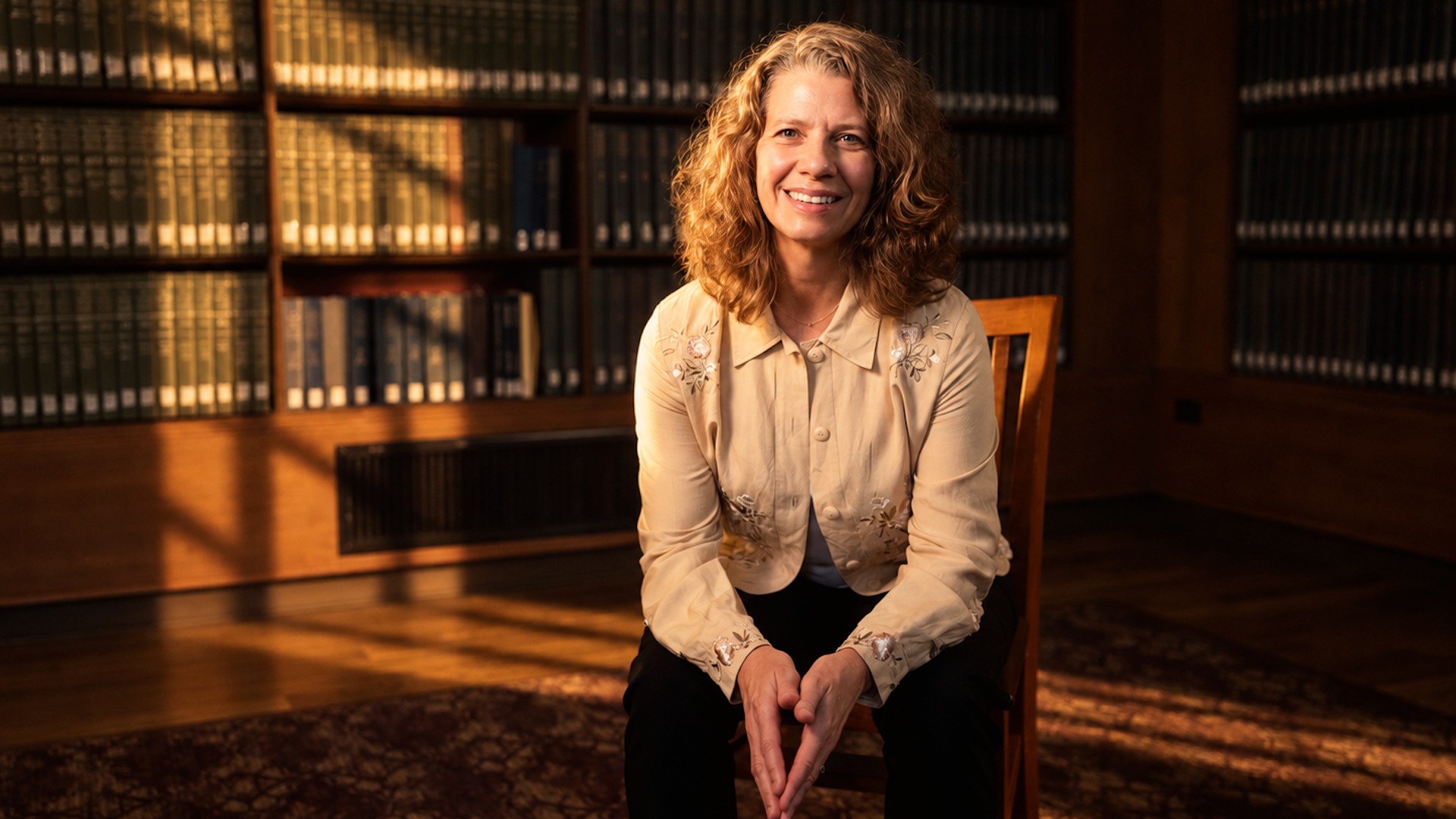
Beth Wheaton-Páramo, quite literally wrote the book on The Economics of Human Rights, the first economic textbook to look at the field through the lens of human rights. She’s also the team lead for SMU’s Human Trafficking Data Research Project, which is working to build a national human trafficking data warehouse and has now hosted three consecutive Human Trafficking Data Conferences.
“We are the only organization that concentrates solely on the data of human trafficking,” she says. “We’re bringing together law enforcement, researchers, policymakers, medical, law, and all sorts of organizations and individuals for two days to talk about what innovations are being done.”
It’s a field, she says, that is often siloed into individual organizations, making policy implementations difficult. Her interest in human rights goes back to her upbringing in South Dakota, where indigenous populations are among the most highly trafficked.
But her academic interest, originally, was in international business – before she started researching how purchases in developed countries impact child labor markets in developing countries.
“Economics is the science of choice when dealing with scarcity,” she explains. “My goal is to make it usable for people so we can make better choices.”
It’s a passion she loves sharing with her students: “Being able to teach them how to use the lens of economics to better understand the world – that’s really why I enjoy being a professor.”
Eric Larson
Professor of Computer Science
Bobby B. Lyle Professor of Engineering Innovation
Director of the Institute for Computational Biosciences
Professor of Electrical and Computer Engineering (by courtesy)
Professor of Operations Research and Engineering Management (by courtesy)

A pulse oxygenation app that helps COVID-19 sufferers determine when to go to the hospital. A teacher using an audio recording to assess a student’s mastery of a topic. A service member tracking illegal fishing thanks to artificial intelligence models. These are just some of the ways that machine learning, artificial intelligence, and signal and image processing can translate into real-world applications. It’s the kind of work that Eric Larson, professor of computer science in the Lyle School of Engineering, does. But the true reward, he says, is teaching students how to think.
“It’s about shepherding a way of thinking,” he shares, “so that when [students] come to the next idea or a whole new knowledge source, it’s not just the knowledge that they have, but it’s the way that they want to process that information and move forward.”
No one learns the exact same way. You’re always trying to look for this next puzzle piece.
Eric Larson
To do that, he says, students need a diversity of thought – a way of seeing how their area of study interacts with other fields – to breed innovation and build resilience.
“It’s about being able to look at a problem, be absolutely kicked back by it, and just keep going and trying to understand what you’re solving until you find the right solution,” he says.