SMU’s top research stories of 2025
From ancient DNA to digital twins, STEM education grants and a dinosaur-inspired choir, 2025 was another year full of research with impact at SMU.
.jpg?h=1080&iar=0&mw=1920&w=1920&hash=DD9CF70D297361E7530F16F8F0495B30)
Dinosaur skull replicas mimic the songs of prehistoric reptiles. Mysterious glowing molecules improve medical imaging. A federal tribe uses ancient DNA to secure links to its past. Futuristic “digital twins” improve airplane inspections.
The impact of SMU research this year spanned Earth science and AI, education and anthropology, engineering and the arts and more.
Here are a few of the research stories that readers found the most interesting in 2025:
Unraveling mysteries behind epilepsy
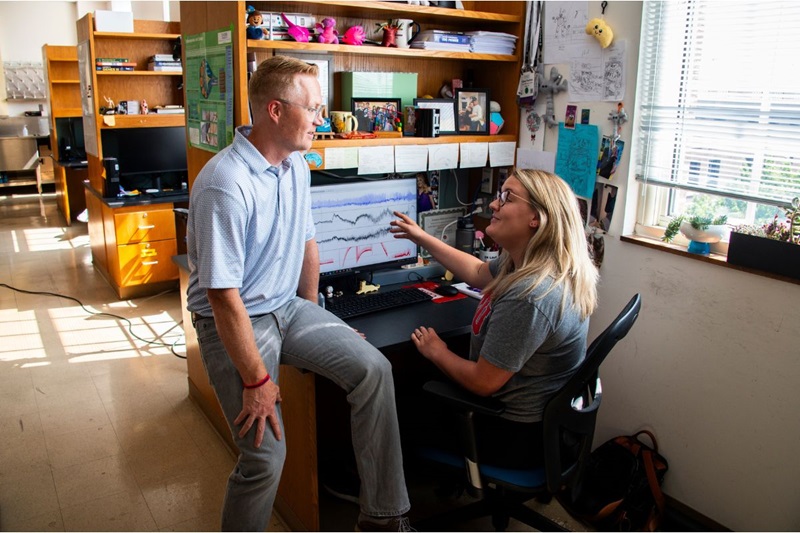
The underlying mechanisms of sudden unexpected death in epilepsy (SUDEP) have remained shrouded in mystery, but findings from the lab of SMU biology professor Edward Glasscock have begun to provide valuable clues. The research team’s findings are the first to show that circuits lacking a specific protein, Kv1.1, in excitatory neurons promote seizures that can lead to lethal cardiorespiratory failure.
“Given the unpredictable nature of SUDEP, observing the physiological mechanisms associated with lethal seizures is challenging and has only been accomplished experimentally a handful of times worldwide,” Glasscock said. “Therefore, this work provides a rare glimpse into the potential sequence of events that lead to sudden death in epilepsy.”
Building crucial math foundations for 5th and 6th graders
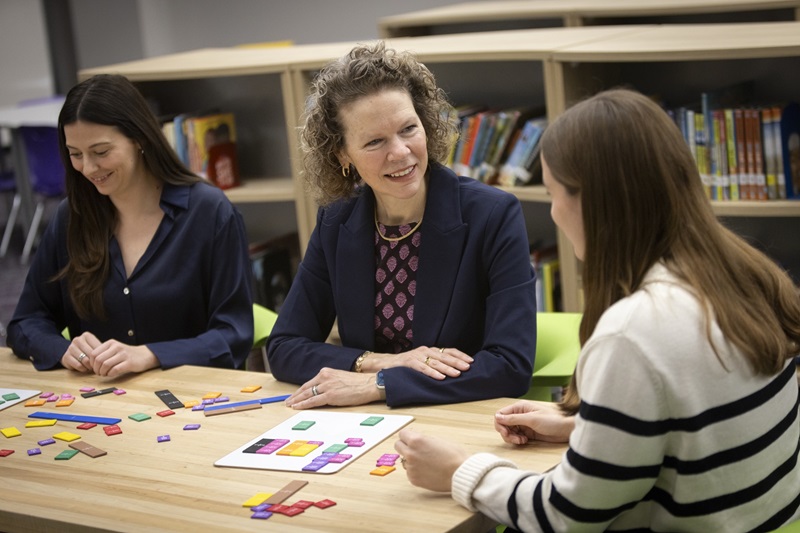
SMU professor Leanne Ketterlin-Geller was awarded a $14 million grant from the U.S. Department of Education to nationally scale a math intervention designed to help students improve their fraction skills – the highest single total dollar amount for an individual researcher in SMU’s history.
“A limited understanding of fractions is a major problem in schools because fractions are the gatekeeper for future success in algebra,” said Ketterlin-Geller, professor of education policy and leadership in SMU’s Simmons School of Education and Human Development and the Texas Instruments Endowed Chair in Education. “Understanding proportions, ratios, algebra and higher levels of math begins with an understanding of fractions. Just memorizing procedures is not enough, students need to understand the ‘why’ of fractions.”
Making microbot surgery safer
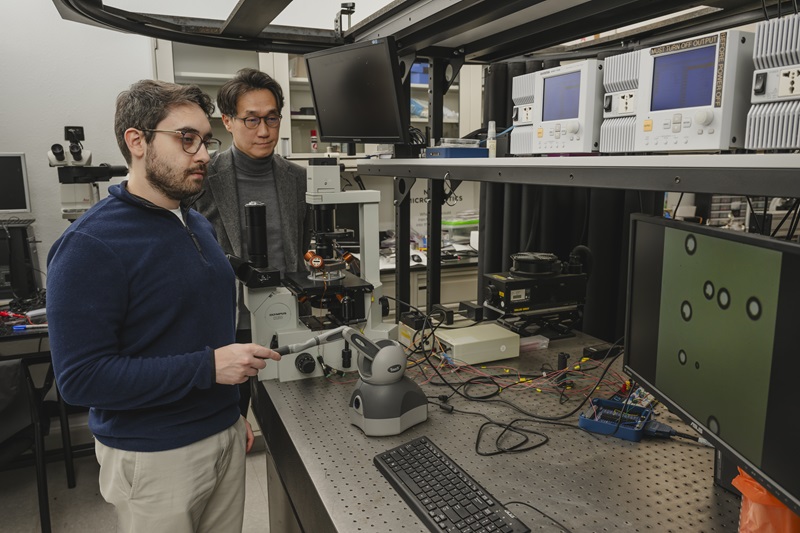
SMU and George Washington University created a magnetic tweezer system that could make it possible for doctors to do remote, non-invasive, highly precise medical procedures on their patients using a microrobot – or tiny robot.
“Since the microrobots are manipulated externally using magnetic fields, there’s no need for invasive tools or procedures,” he said. “This allows treatments to be delivered exactly where they are needed in a controlled and non-invasive way, reducing risks to surrounding healthy areas.”
Linking ancient DNA to an ancestral sacred sites
In a rare collaboration with geneticists and archaeologists, a federally recognized tribe in the United States utilized ancient DNA to establish a genetic link to an important ancestral heritage site, Pueblo Bonito in Chaco Canyon. The study, published in Nature, establishes the strongest genetic connection yet between present-day individuals from Picuris Pueblo and Chaco Canyon, which is a New Mexico historical site central to Pueblo ancestry.
“Ancient DNA is good for the discipline of archaeology, because it gives us information about ancient peoples that excavated items simply can’t,” said David Meltzer, the Henderson-Morrison Professor of Prehistory at SMU. “Through this work, we have a greater understanding of things like migration patterns, dietary and lifestyle choices, contact between populations and even disease evolution. This is a powerful tool that answers questions we never imagined could be addressed.”
Teaching AI to taste wine
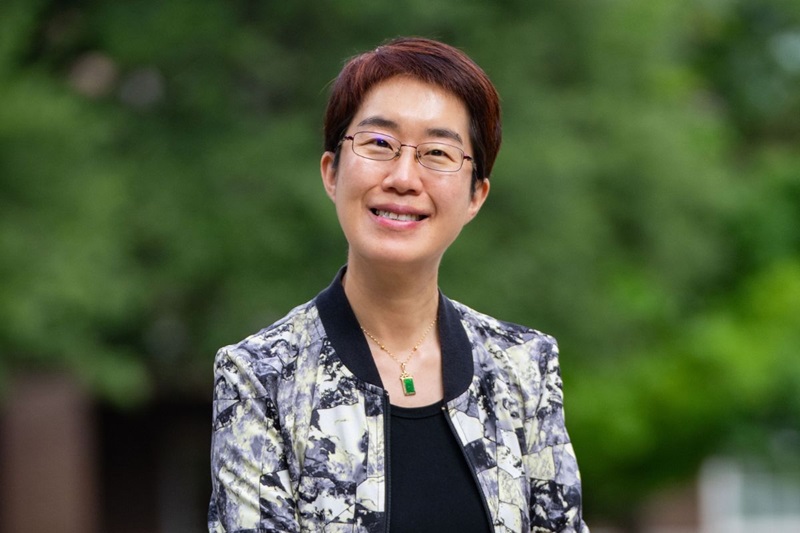
Statistician Jing Cao is using AI to revolutionize the centuries-old practice of wine evaluation. Her recent research, published in the Harvard Data Science Review, outlines how AI can match expert ratings, generate human-like wine reviews and even identify individual taste profiles after only a handful of inputs. The findings highlight how quickly AI is reshaping both the wine industry and the consumer experience.
“I have been doing wine data analysis for over ten years,” said Cao, director of graduate studies and chair-elect in the department of statistics and data science. “Some winemakers want to keep the traditional analysis process without any changes, but that is wishful thinking. AI algorithms will continue playing an increasingly important role in every stage of the process.”
Bringing dinosaur songs back to life
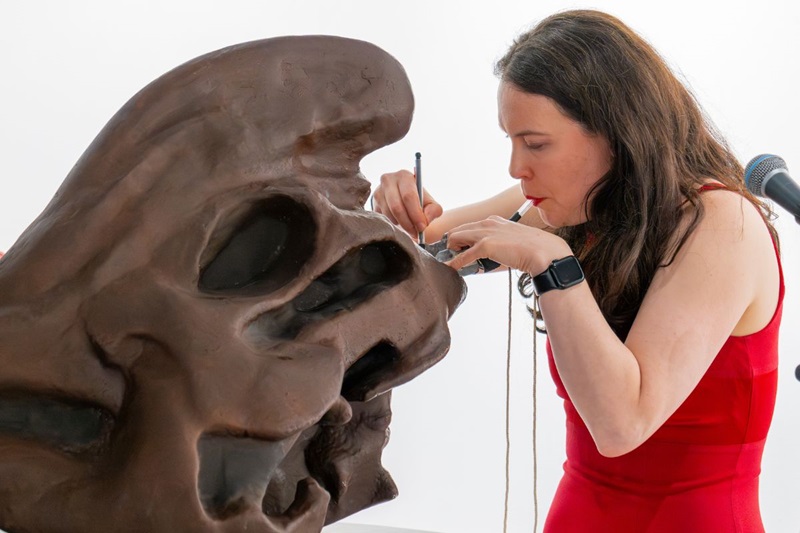
Dinosaurs were singers. That revelation struck SMU faculty member Courtney Brown during a cross-country road trip, inspiring her to spend over a decade recreating the voices of creatures that went silent millions of years ago.
Her Dinosaur Choir features life-sized, 3D-printed Corythosaurus skulls, which are complete replicas of the duck-billed dinosaur's resonant nasal passages that function like ancient wind instruments. The project earned third place at Georgia Tech's Guthman Musical Instrument Competition, recognizing years of collaborative research spanning music, paleontology, computer science and 3D manufacturing technologies.
"We can never know for sure the exact vocal mechanisms of dinosaurs, so this method allows participants to hear different hypotheses and acknowledges a degree of scientific uncertainty," Brown explained. "So much is lost to time."
Making airplanes safer with digital twins
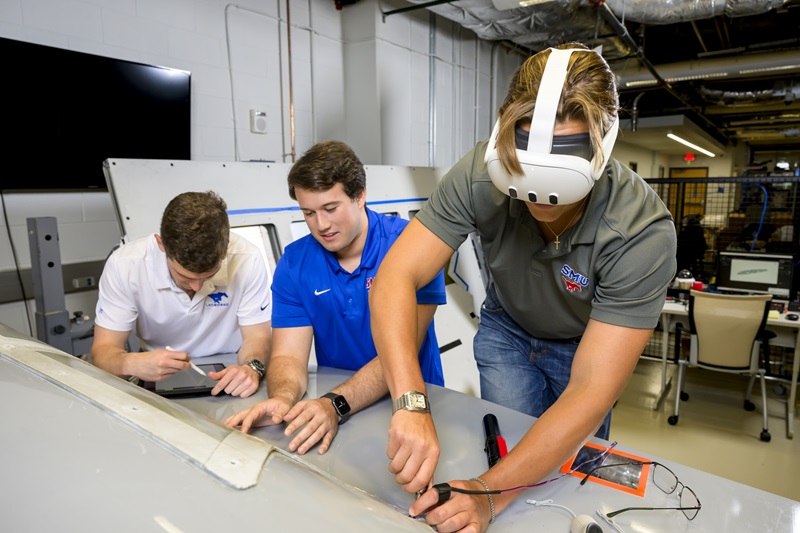
A team of engineers at SMU’s Lyle School of Engineering explored how digital twins can bridge the gap between human expertise and digital intelligence during aircraft inspections – reducing errors, improving processes and ensuring consistency.
What is a digital twin? It’s a virtual replica of something in the real world that can evolve in real time through data.
“Some studies in the aerospace manufacturing sector show that as much as 80 percent of all quality assessments are made subjectively by humans,” said Chris Colaw, co-executive director of the Center for Digital and Human-Augmented Manufacturing. “Instead of replacing the human with automation, the human digital twin approach will enable industry to keep the human centered in the process and build their capability of performance through digital and technological teaming.”
Improving medical imaging with glowing molecules
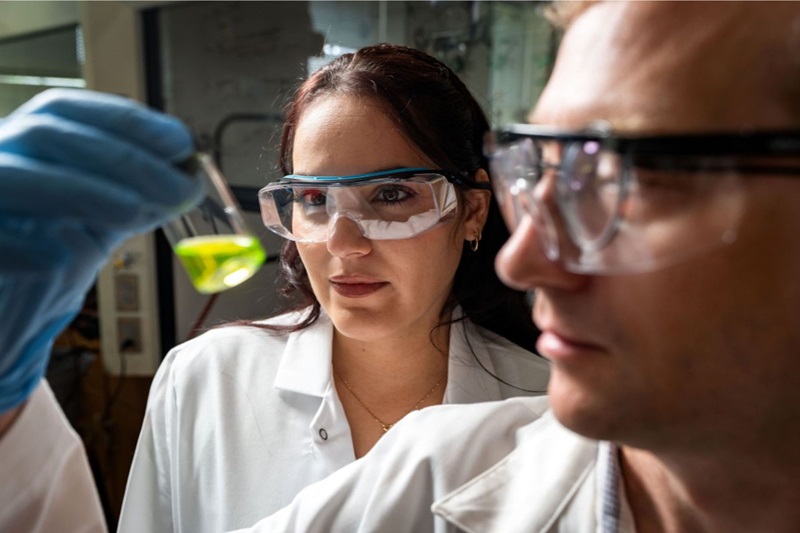
SMU researchers solved a decades-long puzzle about why certain light-producing molecules glow brighter in thicker solutions.
The study, published in The Royal Society of Chemistry, revealed the mechanism behind bright chemiluminescent compounds used to see inside living tissue, potentially improving disease detection.
“Chemiluminescence is actually something people are familiar with,” said SMU chemist Alex Lippert. “Think glow sticks or fireflies, that’s chemiluminescence. While 1,2-dioxetanes have been around for a while, no one really understood why they glow brighter and more efficiently than other chemiluminescent molecules. Our work has elucidated key parts of this mechanism.”
Illustrating math diagrams with AI
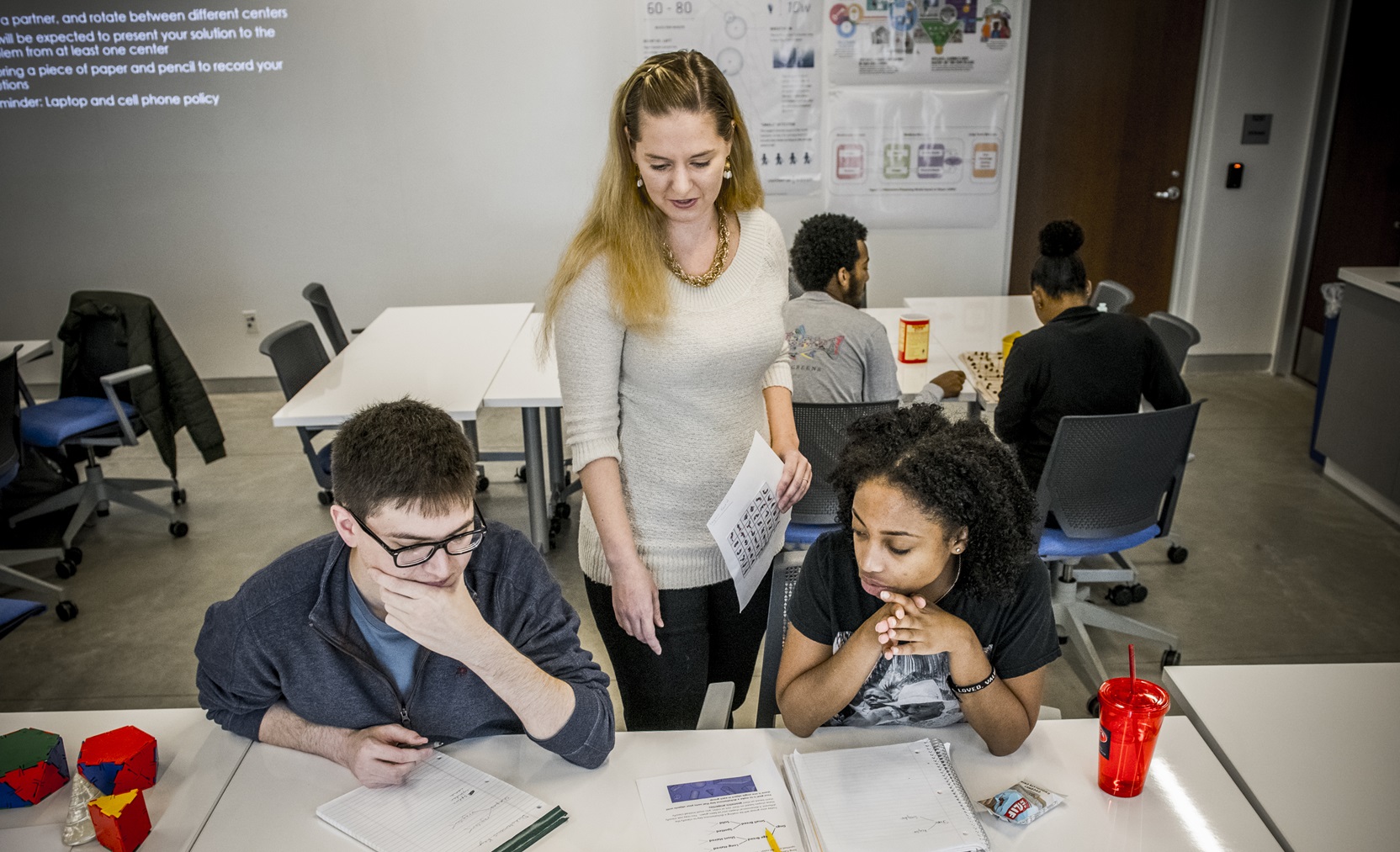
Imagine that a middle school student — at the click of a button — could use generative AI to produce a mathematically precise, beautifully rendered image to bring a difficult math problem to life.
Through a grant from the National Science Foundation, Candace Walkington, professor and Annette and Harold Simmons Centennial Chair, is examining how AI-generated diagrams could improve math learning for middle school students. Professor Jiun-Yu Wu is a co-principal investigator.
“More research in AI in education is needed to determine how illustrative math visuals and open educational resources shape students’ mental representations and facilitate their interest and performance in mathematics learning,” Wu said. “It is exciting to know this research can help answer those questions.”
Detecting low-frequency sound thousands of miles away
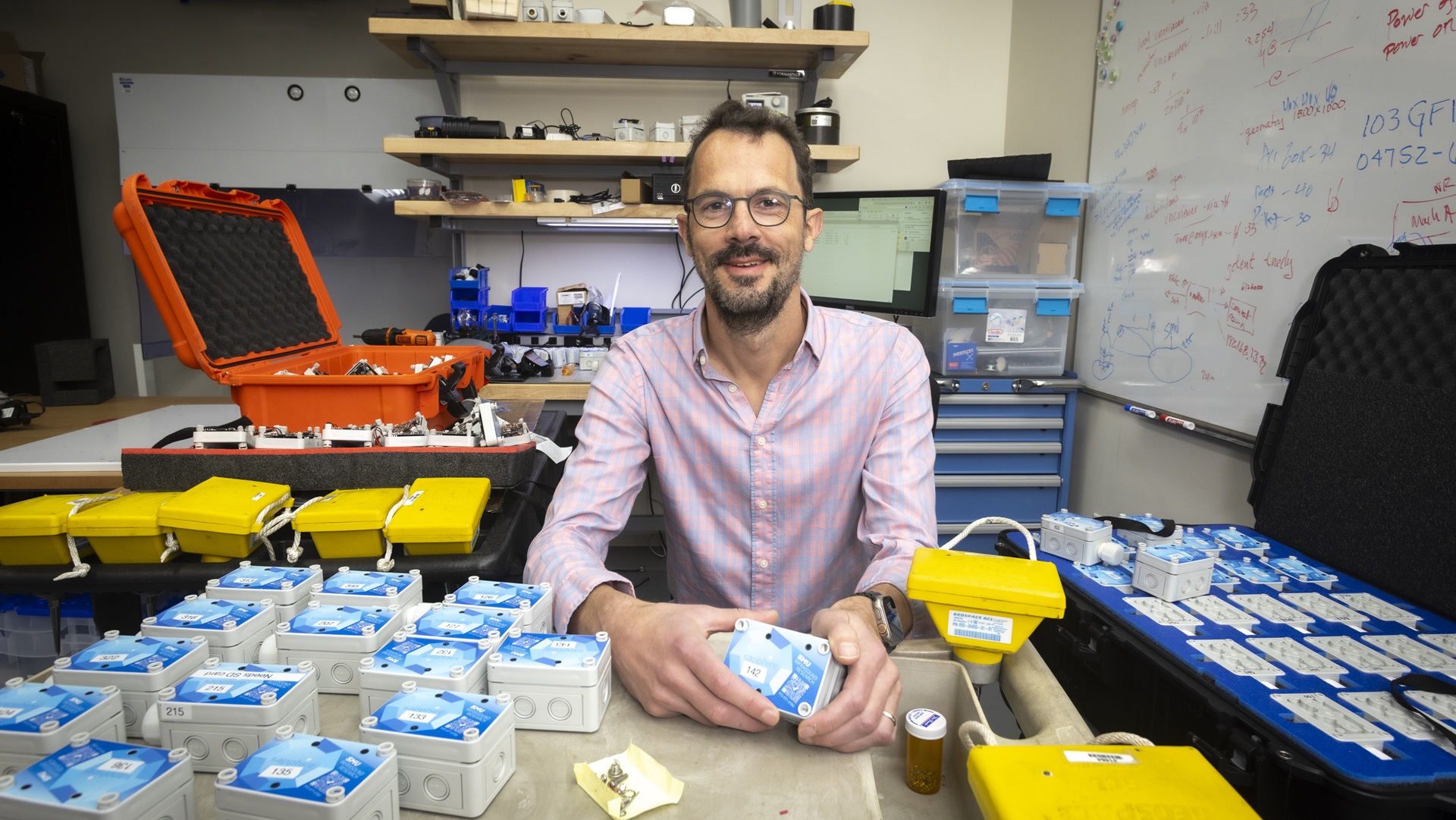
From SMU’s campus in Dallas, with a sensor that fits in the palm of his hand, researcher Stephen Arrowsmith can detect the low-frequency sounds of ocean waves hitting the Texas coast 500 miles away.
The Sapphire sensor, assembled in the laboratory of Arrowsmith, SMU professor of Earth sciences, measures low-frequency sound or infrasound that travels thousands of miles in the atmosphere but can’t be heard by humans, such as the rumble of an earthquake miles away or the tiny tremors of a bridge as a truck crosses.
Now, SMU geophysicists are the first to develop portable microbarometers on a large scale, opening up the possibility for new frontiers in infrasound research.
“History shows that breakthroughs in geophysics often start with new ways to measure the Earth," Arrowsmith says. “These sensors may unlock discoveries we can’t yet imagine – just as past innovations transformed our understanding of the planet.”
Enhancing science and engineering education
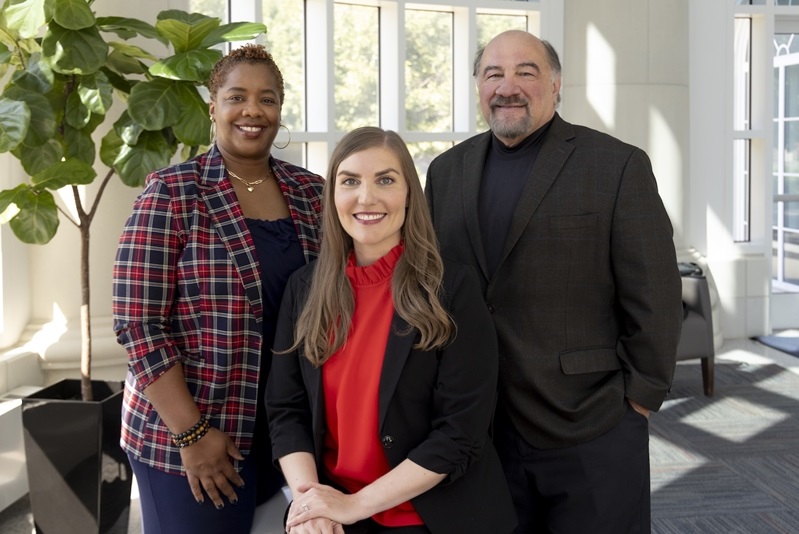
With a $5 million grant from the U.S. National Science Foundation, SMU is leading an initiative to enhance how science and engineering are taught in Texas elementary and middle schools.
Last year, the Texas Education Agency fully implemented rules for the first time that engineering practices be embedded in K-8 science education. The goal of SMU’s project is to improve the quality of STEM (science, technology, engineering and mathematics) instruction and keep great teachers in the profession.
The project’s lead is Jeanna Wieselmann, an assistant professor of STEM education at SMU’s Simmons School of Education and Human Development, alongside co-researchers Anthony Petrosino, professor in the Simmons School of Education, and Janille Smith-Colin, an associate professor at SMU’s Lyle School of Engineering
“This grant offers a targeted upstream approach to the engineering workforce challenge by focusing on K-8 engineering teaching,” said Smith-Colin. “Our multi-pronged approach provides instructional mentorship to teachers, integrates engineering skills and practices into STEM curricula and develops the next generation of science and engineering education leaders.”
Read more about research at SMU and follow the Research at SMU LinkedIn page for more great stories.