Shilo Brooks looks to the greats in his First Lecture at SMU
The Bush Center CEO shared examples of great interdisciplinary minds throughout history with incoming first-year students.

By: Sarah Bennett ’11
On August 18, hundreds of first-year students filed into the historic McFarlin Auditorium for what was called the “First Lecture” of the semester – and their first lecture as Mustangs.
Shilo Brooks – president and CEO of the George W. Bush Presidential Center and professor of practice in political science – was ready to share some knowledge, wisdom and, hopefully, inspiration with the new scholars.
“Find subjects that interest you,” he told the Class of 2030. “Find it and become a complete nerd about it, unapologetic, and love it.”
To demonstrate this, he highlighted 13 great thinkers through history, complete with relevant artifacts. His examples specifically highlighted how having interests, passions and influences outside of one’s primary field of study or work can expand your mind.
Brooks opened with Niccolo Machiavelli’s love of Greek philosophy, which influenced his writing of The Prince.
Moving forward through the centuries, he discussed the memoirs of Catherine the Great, who studied history, literature, political science and philosophy to inform her role as empress.
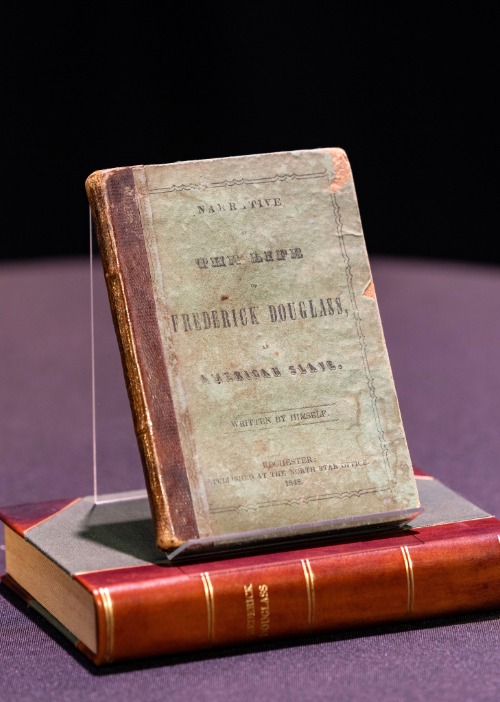
From there, he moved on to Frederick Douglass, who learned to read in secret while in slavery and read the works of other abolitionists before becoming a great orator.
Brooks drew parallels from the life of Frederick Douglass to President Abraham Lincoln, who studied geometry despite his career as a statesman – and how that informed his legalistic approach to abolitionism.
Continuing on the theme of civil rights, Brooks referenced Dr. Martin Luther King, Jr., who drew heavily on philosophy while Letter from a Birmingham Jail.
Brooks then progressed to another native of Birmingham, Alabama – former U.S. Secretary of State Condoleezza Rice, whose great love of the piano informed her other intellectual pursuits.
He also highlighted Supreme Court Justice Sandra Day O’Connor, the first woman on the Supreme Court, who loved reading classic literature.
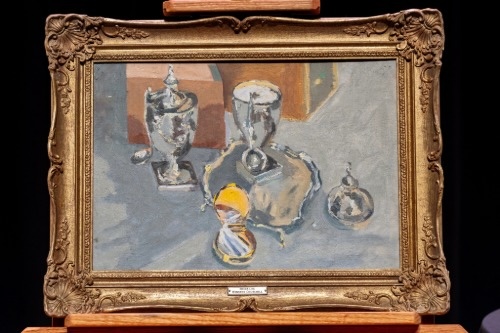
Staying in the world of politics, Brooks shared how painting has provided a way for President George W. Bush to keep learning long after being in office – and how he was inspired by U.K. Prime Minister Winston Churchill to study that medium.
“What does painting have to do with statesmanship? What does geometry have to do with statesmanship? What does playing the piano have to do with being Secretary of State?” Brooks asked his audience.
He then spoke of President Theodore Roosevelt’s love of nature and animals.
Another example – Orville and Wilbur Wright – studied the anatomy of birds to develop the earliest airplane.
Finally, Brooks used F. Scott Fitzgerald as an example of working toward your dreams and achievements even when they feel out of reach. Fitzgerald’s greatest work, The Great Gatsby, only sold 26,000 copies at the time of publication but has sold 30 million copies since.
“Don’t think poetry has nothing to do with what you want to do – or math or music,” he concluded. “It’s all going to shape your mind in ways you can’t expect.”