At the intersection of agriculture, faith and media, student Maddie Wiltse furthers her calling

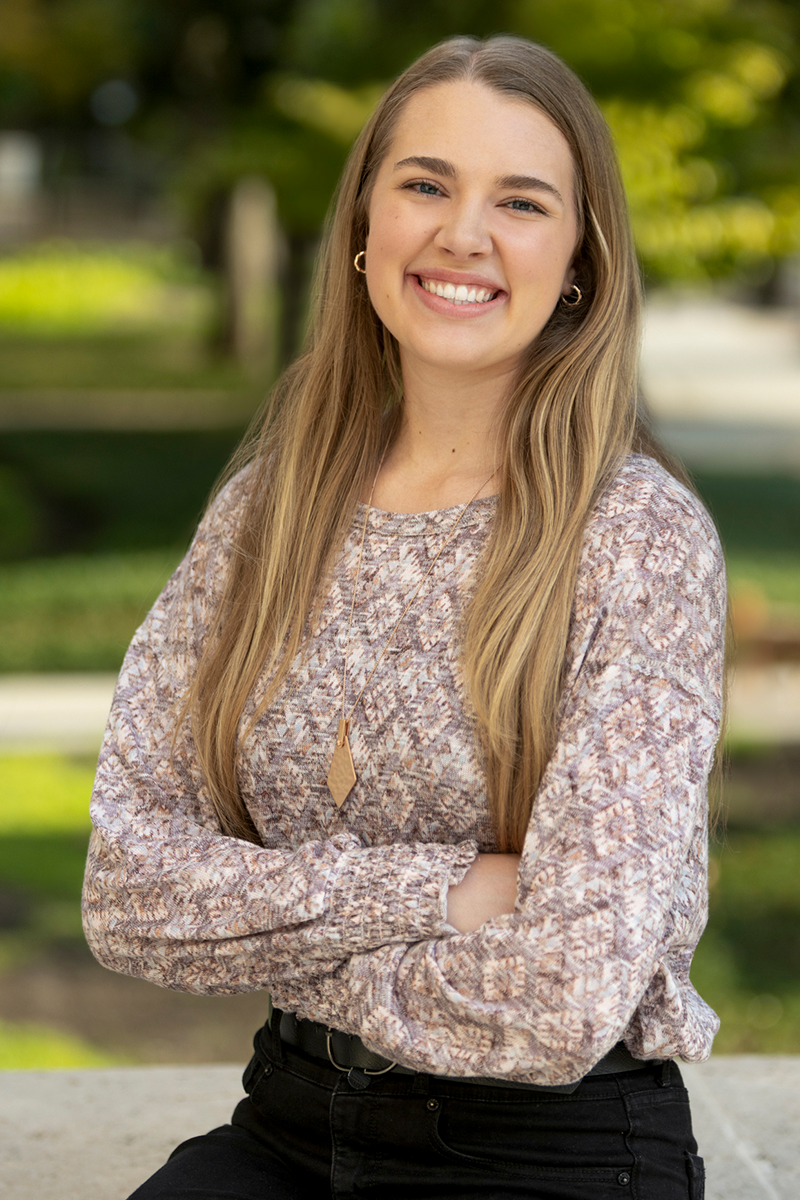
There, Wiltse found the support to contribute to a local regenerative farm by helping revive a faith-based podcast. You can now listen here.
Perfect timing
Wiltse met Sarah and Rodney Macias of Sister Grove Farm, through their church, where they quickly bonded over their shared passion for regenerative farming. Unlike conventional farming, regenerative agriculture uses practices such as no-till farming, cover crops, rotational grazing and decreased chemical use to restore soil health and increase biodiversity.
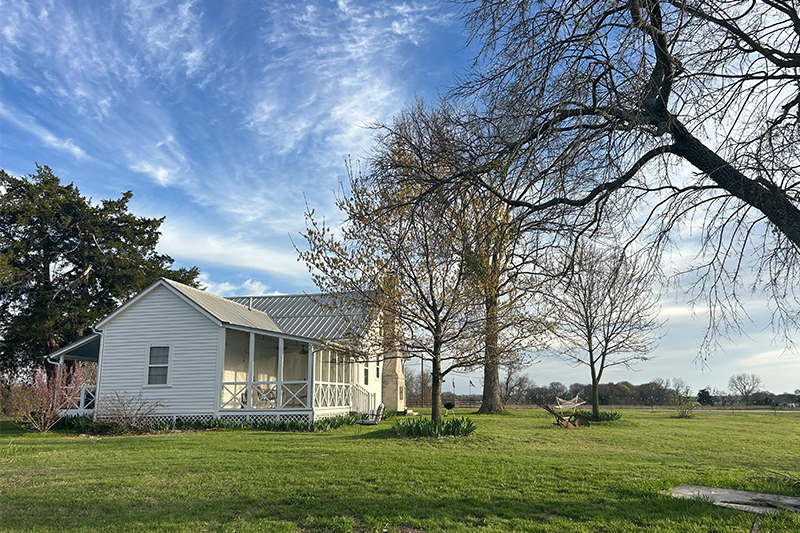
Nestled in Van Alstyne, Texas, Sister Grove Farm raises animals, maintains pastures and a garden and provides event spaces where the community can gather. For nearly a year, Wiltse and the Maciases had discussed reviving the farm’s podcast. The idea became a reality during Wiltse’s time at the Maguire Ethics Center.
“I learned about the Summer Public Service Fellowship and decided to apply because of the opportunity to do meaningful work that would not only shape my own thinking and research but would also impact communities,” Wiltse said.
With financial assistance from the Irby Family Foundation, the Maguire Ethics Center awards summer fellowships to SMU students who wish to devote time to public service or ethics research. Over the past 20 years, the center has awarded more than $400,000 to nearly 200 students.
Through the fellowship, Wiltse and Sister Grove Farm revived their podcast, “Regenerative Farm Discipleship,” scheduled to launch this fall. They have spent the summer producing and editing each episode.
“We had dreamed about it some, but the timing and resources to start the project did not fall into place until I received the Maguire Fellowship,” she said.
Natural talking points
Wiltse grew up on her family’s regenerative farm in central Kansas. As she and Sarah Macias developed plans for the 10-episode season, they identified three groups whose perspectives could shape the podcast’s conversations: ministers, farmers and academics.
“We recognize the divide that exists between the church, farms and academia and believe that bridging these three worlds is essential for forming healthier communities who care deeply for each other and creation,” she said.
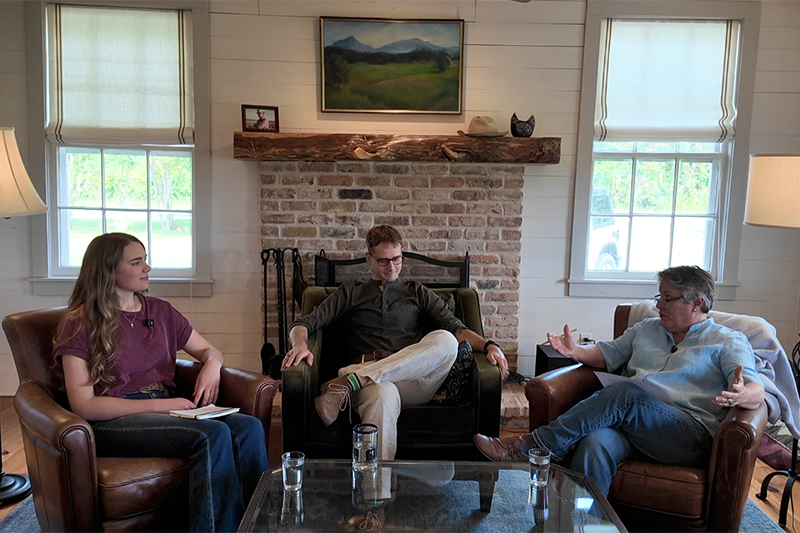
During the fellowship, Wiltse helped identify guests, develop scripts, define the podcast’s audience and goals, edit episodes and coordinate the launch plan for the fall. However, co-hosting the episodes and learning from each interviewee’s perspective became her favorite part of the process.
“Ministers bring hands-on experience with connecting their congregations to local farming initiatives, farmers offer the lived perspective of the challenges, benefits, and transformational impact of regenerative agriculture, and academics ground this work in biblical and ethical principles,” she said.
Preparation through seminary
Growing up on her family’s farm instilled in Wiltse an understanding of the connections among faith, community and God’s call to care for creation. Entering seminary introduced her to ecotheology and showed her that scholars were studying and writing about experiences similar to those of her own family.
Her Systematic Theology course with Professors Frederick Aquino and Karen Baker-Fletcher particularly shaped the way she understands regenerative agriculture through the lens of process theology.
“I quickly realized the connection between God working with all of creation through a process of growth and grace to the way that regenerative agriculture is a process that takes time and moves ecosystems toward flourishing health,” Wiltse recalled.
Although only a few podcast guests directly mention process theology, Wiltse noticed that many emphasized the patience required throughout the regenerative process and the way small changes can create a significant impact over time, reinforcing the ideas of her professors.
Back to school with new perspectives
As her fellowship comes to an end, Wiltse is returning to Perkins with expanded research interests and new perspectives from the ministers, farmers and academics she interviewed.
“My fellowship has helped me to have the time and resources to buy books about agriculture, food and faith, and to spend time reading and listening to podcasts to learn from other scholars and practitioners,” she said.
During the podcast interviews, many guests discussed the connection between food justice and the Christian faith. Those conversations inspired Wiltse to explore the subject further, particularly its direct effects on urban and rural communities.
The experience also strengthened her commitment to working at the intersection of theology, agriculture and public storytelling. Whether through preaching, podcasting or writing, Wiltse hopes to continue sharing stories of resilience, faith and hope that can inspire meaningful change.
“Theology and agriculture are both essential to who I am,” Wiltse said. “I am passionate about helping others see this connection because I believe it can restore communities and inspire radical change in the way we care for all of creation – from the largest neighborhoods down to the microscopic life in the soil.”