PSYCM 2026: A bridge for children and youth ministers

As the world continues to change, the need for meaningful and relevant faith formation has never been greater. Children’s and youth ministers are navigating new realities in the church, often carrying deep responsibility with limited support.
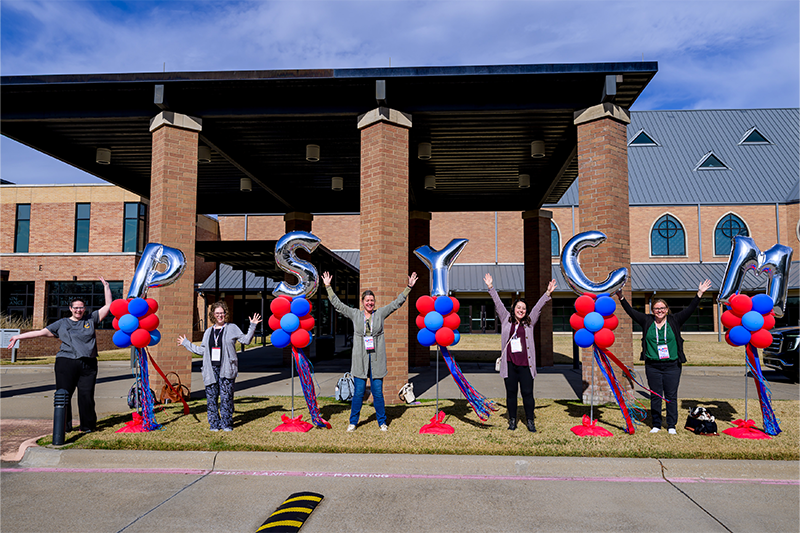
This year’s PSYCM conference took place Jan. 12-14, 2026, at First United Methodist Church in Richardson, Texas, welcoming both new and seasoned faith leaders for workshops, foundational learning, and shared ministry conversations.
Connections and practical tools
PSYCM 2026 brought together leaders from 21 states to exchange successful methods and ministry experiences.
For Erika Regier, kids’ director at Central United Methodist Church in Fayetteville, Arkansas, this cpnference became a lifeline during a season of transition.
“It was really a time that we got to be fed and meet people that do exactly what we do in our context — which doesn’t happen very often,” Regier said.
She explains how children’s ministry leaders often carry responsibilities quietly behind the scenes, and being reminded that you are not alone can be transformative.
“We’re not on our island… other people do this,” she said.
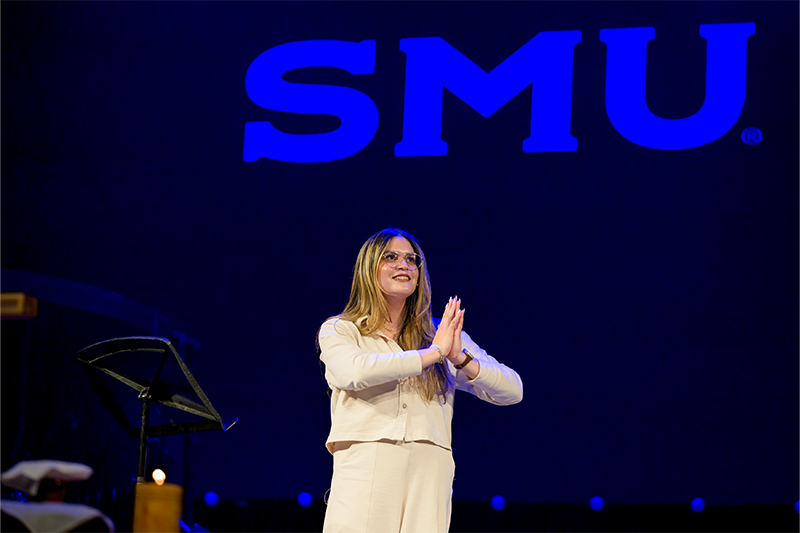
“We set up a prayer wall like that next week…that was great,” Regier recounted.
That blend of theological grounding and real-world application is one of PSYCM’s biggest emphases: ministers leave with tools they can implement immediately, while also building relationships that last long after the event ends.
Back for more
Many participants come back to build on what they gained in previous sessions. For Michael Robinson, assistant youth director at Asbury United Methodist Church in Arkansas, the reason for returning to PSYCM was simple:
“Connection.”
Robinson described PSYCM as a rare opportunity to learn directly from experienced leaders and engage in conversations that cannot happen in isolation.
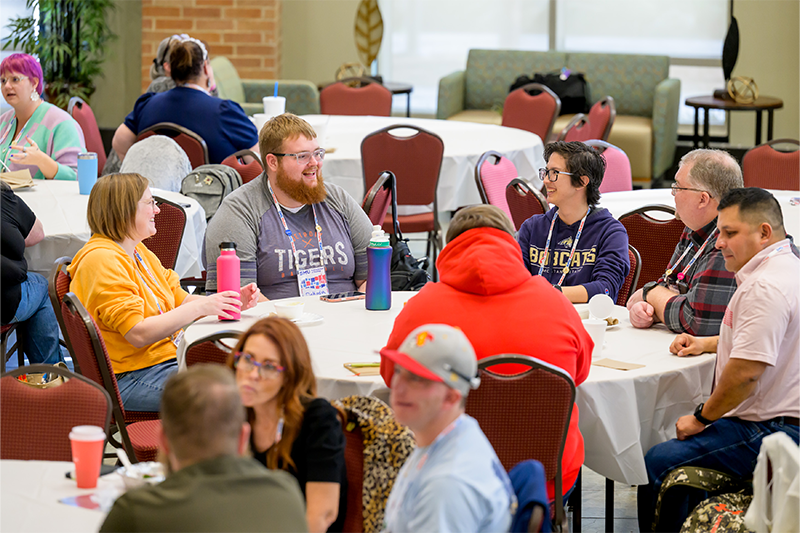
“The teachers are a well of knowledge,” he said. “This is a rare opportunity to pick their brain and ask, ‘How can I apply that into my ministry?’”
Some even return in new roles, stepping forward as leaders after once attending as newcomers themselves.
Jorden Martz, youth director at First United Methodist Church Hurst, also shared that cycle of renewal and encouragement when she first attended PSYCM early in her ministry after unexpectedly stepping into a youth director role.
“I was so overwhelmed,” she admitted.
Yet she walked away with tools she still uses often in her ministry today.
Now, Jorden has returned not just as an attendee, but as a leader in the Foundations track. She hopes to offer new ministers the same encouragement she once received, proving that PSYCM is more than a one-time experience. It has evolved into a cycle of growth, mentorship and shared ministry that continues to strengthen those called to serve the next generation.
A safe and nourishing space for the future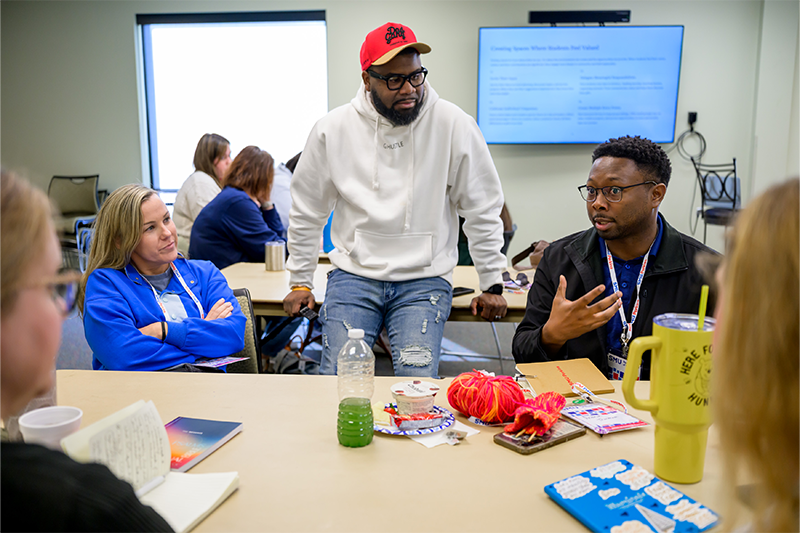
Kaylee Vida, associate director of Lifelong Learning at Perkins School of Theology, describes PSYCM as a uniquely supportive environment.
“PSYCM is a fantastic event that provides a nourishing, safe environment for those in children, youth, and family ministries,” Vida said.
As Vida continues to witness this faith community grow each year, she envisions the future of PSYCM as a definitive space for dynamic learning, support and connection for children’s and youth ministers.