The work behind pumpkin patch ministries

Fall’s arrival typically signals, football season, cozier weather and a church mulling over the decision to run a pumpkin patch. There are pumpkins to unload, schedules to coordinate and volunteers to recruit — most of which are the same ones volunteering in other parts of the ministry. At Trinity United Methodist Church in Denton, the Rev. Kristin Steed ’24 and her ministry welcomed their annual pumpkin patch, Trinity’s Pumpkin Patch, and its three truckloads-worth of pumpkin. with open arms.
A lower barrier of entry
Since arriving at the church, Steed, Trinity’s lead pastor has been figuring out how to position her church not simply as a place cars drive passed on their way to another destination, but a place known and loved within its community.
Steed points out that Trinity’s longstanding tradition provides the opportunity for the church to open its door to a people that would otherwise not ever visit. From grandparents bringing their families each year, to some fulfilling their first ever pumpkin patch visit, Trinity has been creating long-lasting memories for years.
And Steed continues to find more ways the pumpkin patch can further engage with its community.
“A couple of weeks into the patch I realized how many parents with children were in the patch in the morning, so we decided to start hosting a toddler storytimes in the patch,” said Steed. “I would read a few books, we would dance to some fall songs and end with bubbles, of course!”
Coordinating a pumpkin patch
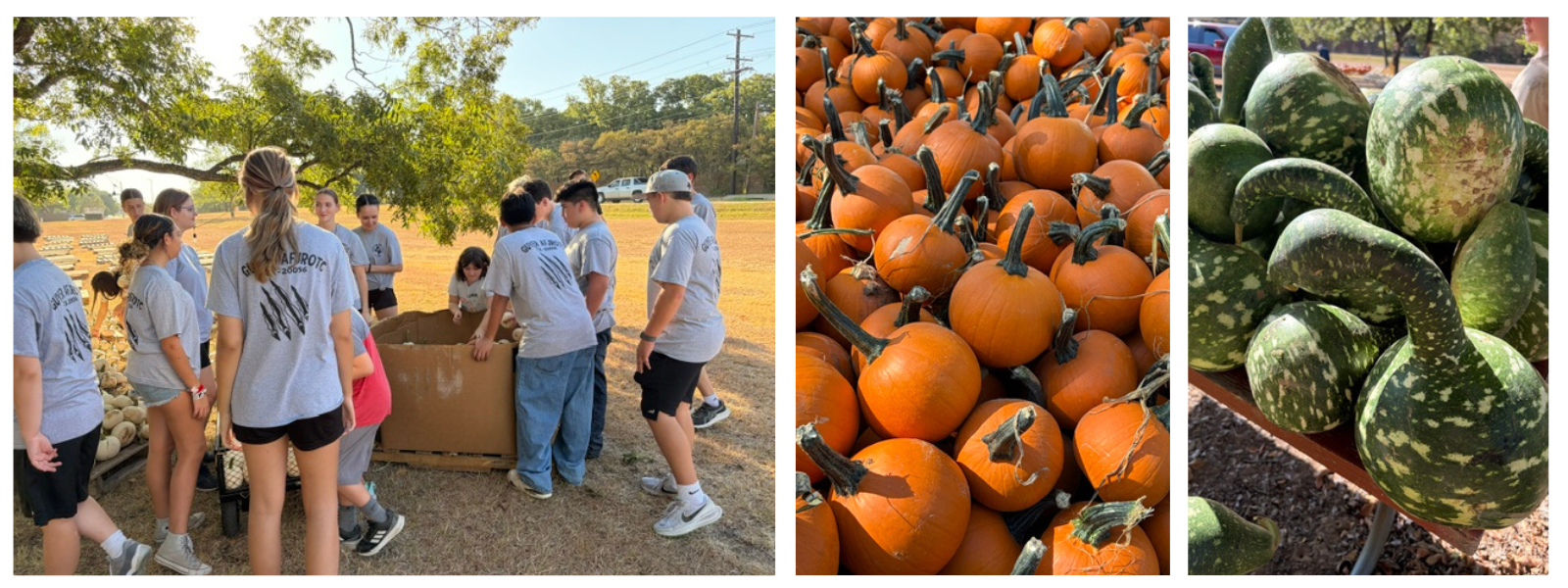
Steed is eternally grateful to have inherited a long running pumpkin patch ministry. As her first year in her role, Steed spent the season learning and supporting the pumpkin patch’s operations.
“We had a leadership team that helped coordinate the logistics of the Pumpkin Patch, from unloading pumpkins and preparing the property to organizing volunteers and overseeing daily operations,” said Steed.
One glaring issue was the number of volunteers required to run the patch. With proactive scheduling, and an urgence for current volunteers to invite their friends to join them.
While she still works to polish the recruitment process, Steed has found success using certain methods.
“Simply sending out a sign-up genius or an announcement in service on Sunday is a great first step,” said Steed. “But a personal invitation goes a lot farther. It also shows that person you are asking is needed, and there are areas that they can serve.”
Lasting lessons
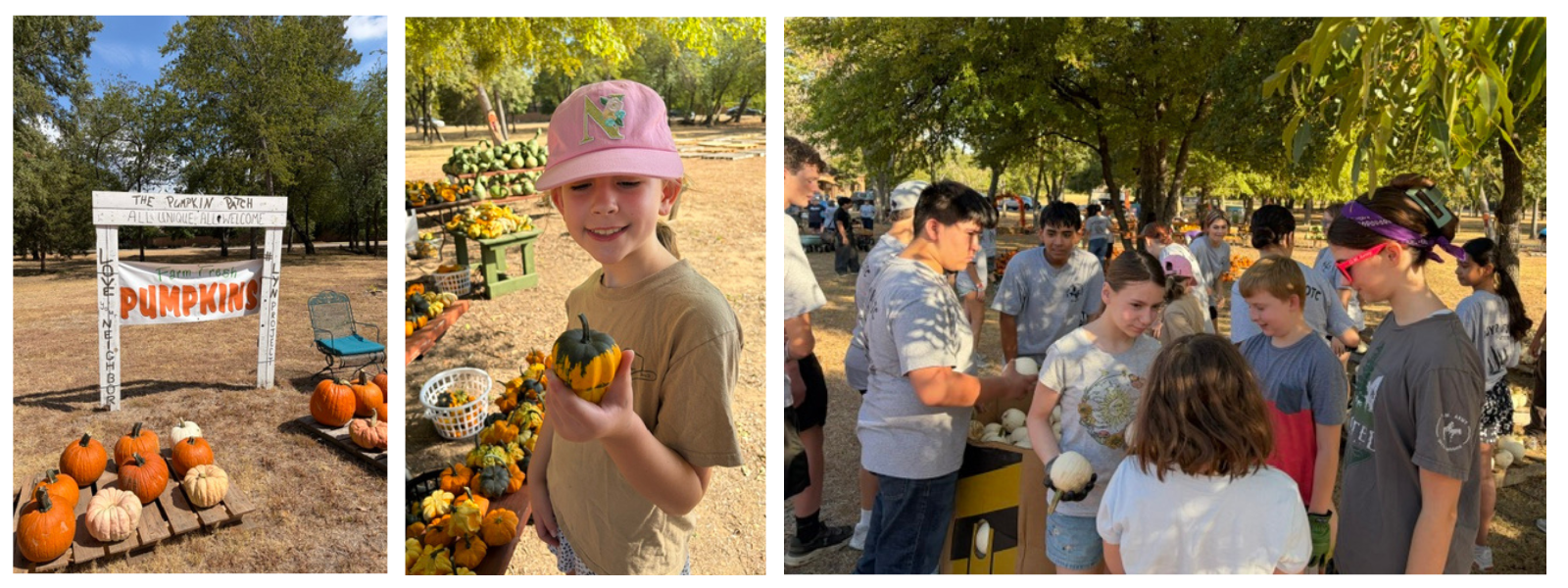
During her time at Perkins, Steed was instilled the importance of ministries’ ability to answer their calling beyond the walls of the church.
“I took a course in the Houston program on Pastoral Care from Rev. Dr. Charles Millikan and he encouraged us to learn from one another, and to recognize those gifts we see in others,” she said.
Steed understands starting a pumpkin patch ministry is no small feat, but she challenges other organizations to step out of their comfort zones and rethink how the seek out new community ventures.
“Instead of asking, ‘Do we have the time, money, or volunteers to do one more thing?’ Perhaps we should first ask, ‘Where is God already at work in our community, and how might we join in?’ That doesn't mean every church should start a pumpkin patch,” she said. “Every congregation has different gifts, resources, and opportunities.”
For churches weighing whether they have the time and volunteers to take on something new, Trinity’s experience offers a practical lesson. With some planning, a church can build on what it already has to bring neighbors together. At Trinity, that meant making room for Thursday morning storytime at a pumpkin patch families had been visiting for years.