Perkins celebrates Asian American Pacific Islander Heritage Month

As Asian American Pacific Islander Heritage Month concludes, Perkins School of Theology would like to acknowledge our AAPI leaders serving their communities and utilizing their culture in the process.
We interviewed alumni Danielle Buwon Kim (’19) and Fai‘ana Sofia Prescott-Funaki (’22) and student Laureen Kuizon (’27).
Danielle Buwon Kim ’19

Kim shares that while the representation of Asian American perspectives during her education weren’t robust, they motivated her to amplify and explore the theological voices of Asian Americans.
Kim’s own call to ministry was shaped by questions of representation, gender and cultural expectations. Growing up in a Southern Baptist church, Kim later encountered the Rev. Gloria Fowler, a Korean American clergywoman whose leadership helped Kim see ordained ministry as possible for herself.
“AAPI voices are often silenced and invisible,” Kim says. “From discriminatory policies targeting Asian Americans to the rise in anti-Asian hate during the pandemic, our communities carry histories of diaspora, marginalization and resilience that deserve theological reflection.”
Kim believes AAPI perspectives offer unique ways of reading Scripture, particularly through themes of displacement, identity and belonging.
“We find so many in the Bible who were marginalized and foreignized as they journeyed with God,” she says.
Kim also credits several AAPI theologians and leaders for shaping her own ministry and scholarship, including Grace Ji-Sun Kim, Kwok Pui-lan and the late Jung Young Lee, whose work helped forge greater visibility for Asian American theological voices.
Her advice for current AAPI students discerning leadership or ministry is simple: “Please don't lose your heart and keep going! Be wise as a serpent and pure as a dove.”
Fai‘ana Sofia Prescott-Funaki ’22
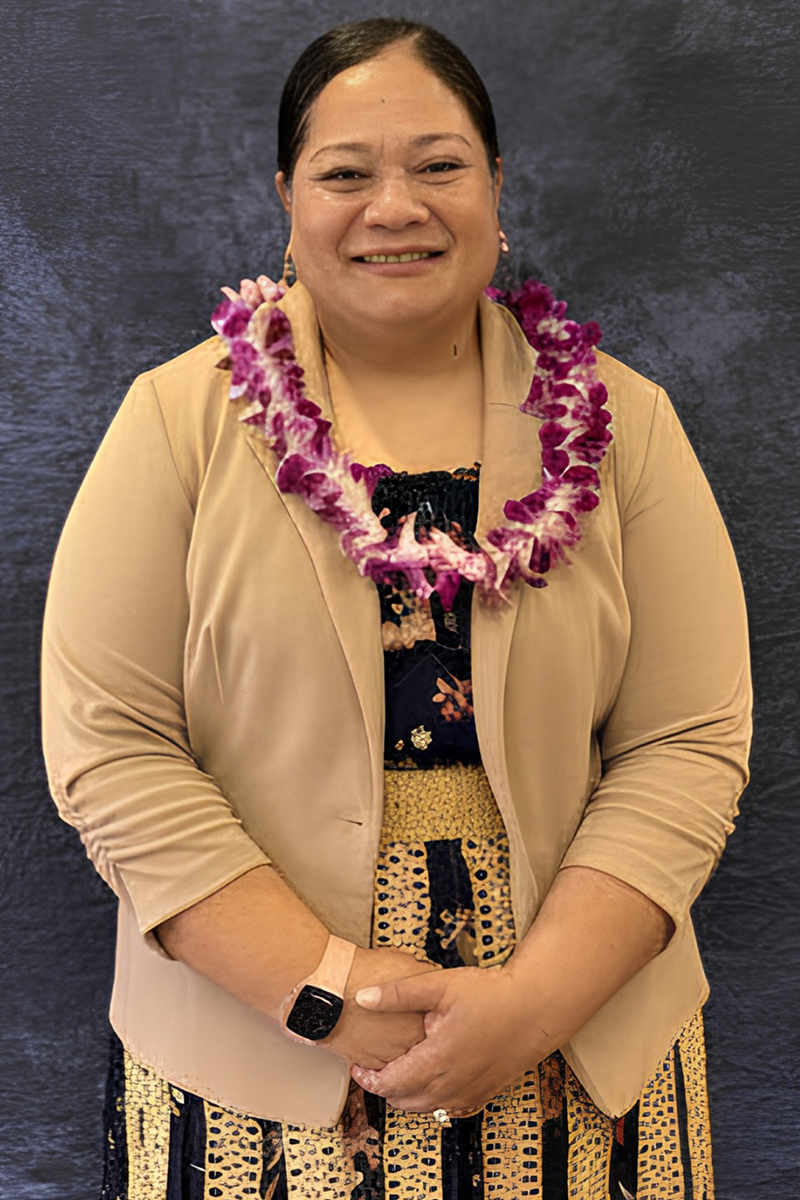
At Perkins, Prescott-Funaki said she learned theology is just as deeply connected to people’s stories, migrations and lived experiences as it is academic. As an AAPI student, she carried with her the communal values and spirituality of the Pacific while also navigating spaces where AAPI experiences were sometimes overlooked.
“Those moments became opportunities to advocate for broader representation and deeper intercultural conversations within theological education,” she says.
Prescott-Funaki believes AAPI voices are essential to understanding the church as a global and multicultural body.
“Theology and ministry emerge from lived experiences, cultures, histories and relationships,” she said. “AAPI theologians and ministry leaders bring perspectives shaped by colonization, migration, family systems and cultural memory.”
Many of those values continue to influence her ministry today, particularly the Pacific Island emphasis on hospitality, reciprocity, collective care and storytelling.
“In ministry, I continue to value storytelling because stories connect people to truth,” she said.
Prescott-Funaki also highlighted several AAPI leaders and theologians who have shaped her journey, including The Rev. Tevita Taasi Kale, Glory Dharmaraj, Jione and Salesi Havea, Grace Ji-Sun Kim, Kathy Khang and Andrew Sung Park.
Looking ahead, she encourages AAPI students discerning leadership or ministry to remain rooted in their identities and communities.
“Do not underestimate the value of your story, your culture or your voice,” Prescott-Funaki said. “Your lived experiences, languages, traditions and perspectives are gifts that the church needs.”
She hopes institutions like Perkins continue expanding representation, mentorship and partnerships with AAPI communities while creating spaces where students do not feel they must leave their cultural identities behind in order to belong.
Laureen Kuizon ’27
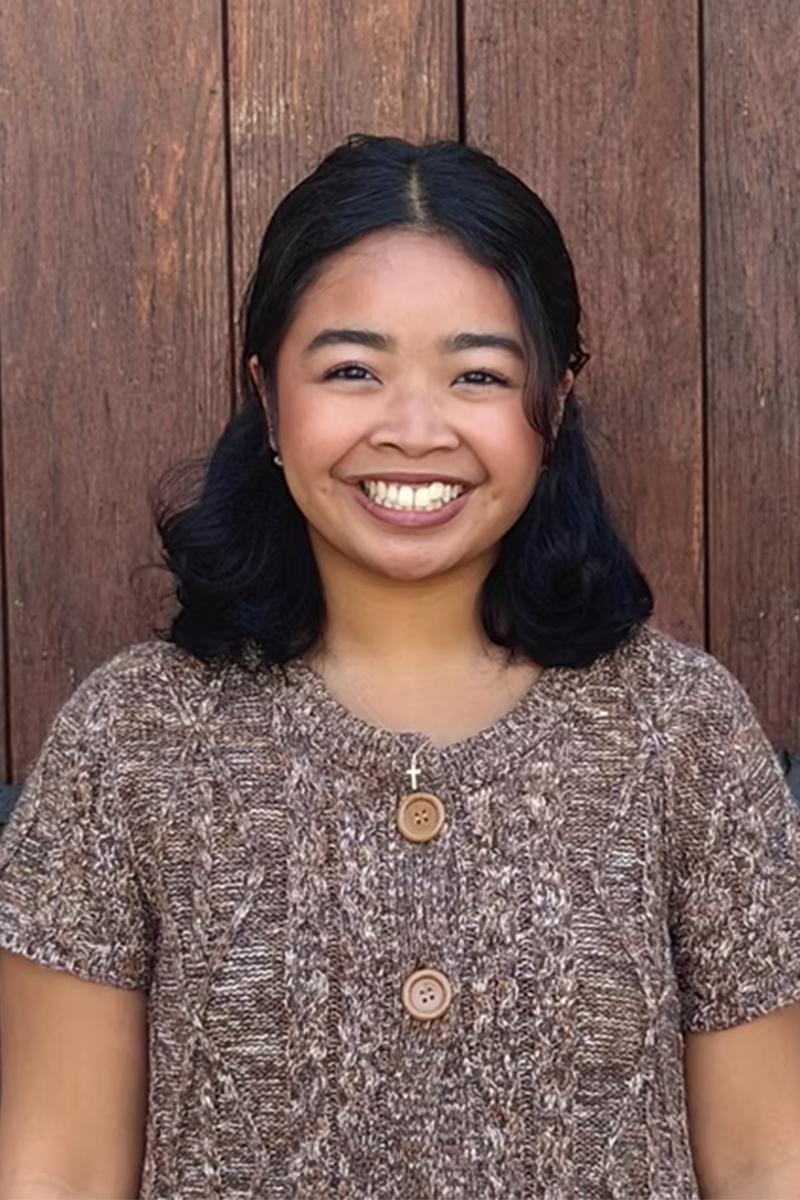
Kuizon said her experience as an AAPI student has deepened her attentiveness to marginalized voices and the ways theology is shaped by culture, history and power.
“For me, navigating those moments has centered around the importance of representation – and the lack of it,” Kuizon says. “I’ve been in rooms where I am keenly aware that no one else looks like me or has had similar experiences.”
While those moments can feel isolating, Kuizon said they have also strengthened her understanding of vocation and leadership.
“I’ve learned that responding to God’s call means showing up as my genuine, truthful self,” she says.
During AAPI Heritage Month, Kuizon reflects on the journey that brought her family from Cebu, Philippines, to Arlington, Texas, and the sacrifices that created opportunities for future generations.
“It reminds me of the resilience and Pinoy culture that shaped me,” she says.
Kuizon believes recognizing AAPI voices in theology and ministry helps broaden the church’s understanding of God and credits AAPI clergy and leaders, including Silvia Wang, Faiana Funaki-Prescott and Glory Dharmaraj, for demonstrating the importance of diverse leadership within the church.
“God’s kin-dom is rich in diversity,” she said. “The body of Christ was never meant to look or think all the same.”